Home Window Tinting: Energy and Privacy
By
Zoey
Date
January 20, 2026
Read Time
4 min read
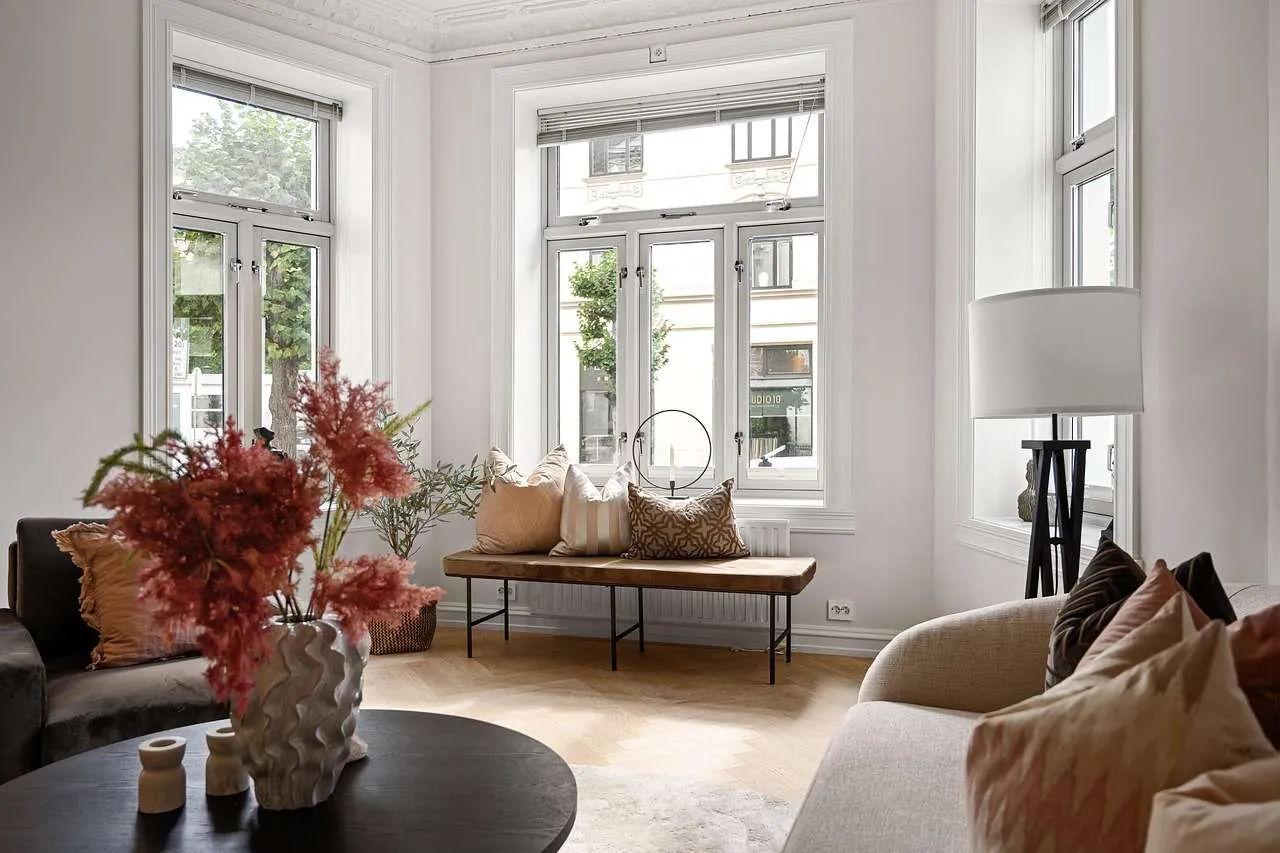
Home window tinting is the application of a thin film to interior glass surfaces to reduce heat, glare, UV exposure, and enhance privacy. Modern window films are engineered to be durable, optically clear, and compatible with most residential windows. When professionally applied, tint can improve comfort in living spaces year round while protecting furnishings from sun damage.
What is home window tinting?
Tinting involves applying a polyester film to the inside of windows. Films come in several formulations, including ceramic, carbon, dyed, and metalized varieties. The goal is to absorb or reflect a portion of solar energy, while still allowing visible light to pass through so rooms feel bright and welcoming. Properly installed tinting also reduces glare from bright screens and enhances privacy without creating a dark, cave-like interior.
Benefits of home window tinting
- Energy efficiency and comfort through reduced heat gain
- UV protection to prevent fading of floors, furniture, and artwork
- Glare reduction for TVs and computer screens
- Increased privacy without sacrificing natural light
- Enhanced safety by holding glass together if broken
- Improved aesthetics and resale appeal
Types of window films and what they do
| Film Type | Heat Rejection | UV Protection | Glare Reduction | Privacy | Ideal Use | Pros and Cons |
|---|---|---|---|---|---|---|
| Ceramic | Excellent | Excellent | Very good | High | Living rooms, large windows | Non metal, strong performance, maintains signals, higher cost |
| Metalized | Very good | Good | Excellent | Variable | South or west facing windows | Great heat rejection but may interfere with electronics and reduce clarity |
| Carbon | Good to very good | Excellent | Strong | Moderate | Homes with clear views | Stable color, no mirror look, mid price |
| Dyed | Moderate | Moderate | Moderate | Low to moderate | Budget projects | Most affordable but can fade and degrade over time |
How to choose the right film and contractor
When selecting film, consider sunlight exposure, climate, interior furnishings, and electronics. Look for films with a warranty of 10 to 15 years and a reputable installer who is licensed and insured. Ask for a sample panel to judge the tint shade under daylight and confirm that the film reduces heat without distorting colors.
What to expect during installation
A professional install typically involves cleaning the glass, applying the film with professional squeegees, trimming, and edge sealing. The process can take a few hours for a typical home but small projects may finish faster. Proper installation minimizes air bubbles and ensures a long lasting bond.
Costs, return on investment, and maintenance
Prices vary by film type, window size, and labor; expect a range from a few hundred to several thousand dollars for full home coverage. Ceramic and carbon options cost more upfront but offer better long term energy savings and durability. Most homeowners see energy savings within 2 to 5 years, depending on climate and sun exposure. Keeping the film clean with a soft cloth and mild soap helps preserve clarity and longevity.
Legal considerations and myths
Many regions regulate the darkness of films on front windows. Always verify local tint laws before purchase. A common myth is that tinting blocks emergency signals or windows from receiving light; modern films are designed to be compliant with standard RF signals and to maintain visibility for safety and security concerns.
Important notes include choosing UV certified film, ensuring proper warranty, and avoiding DIY kits that may peel or bubble under heat. For many homes, a professionally installed film offers superior results and value over time.
Conclusion, home window tinting improves comfort, reduces energy costs, protects interiors from fading, and increases privacy when paired with a reputable installer and quality film. By selecting the right film type for your climate, checking warranties, and following maintenance guidelines, homeowners can achieve durable results that enhance daily living and property value.