TPO Roofing: A Practical Guide
By
Daniel
Date
January 20, 2026
Read Time
5 min read
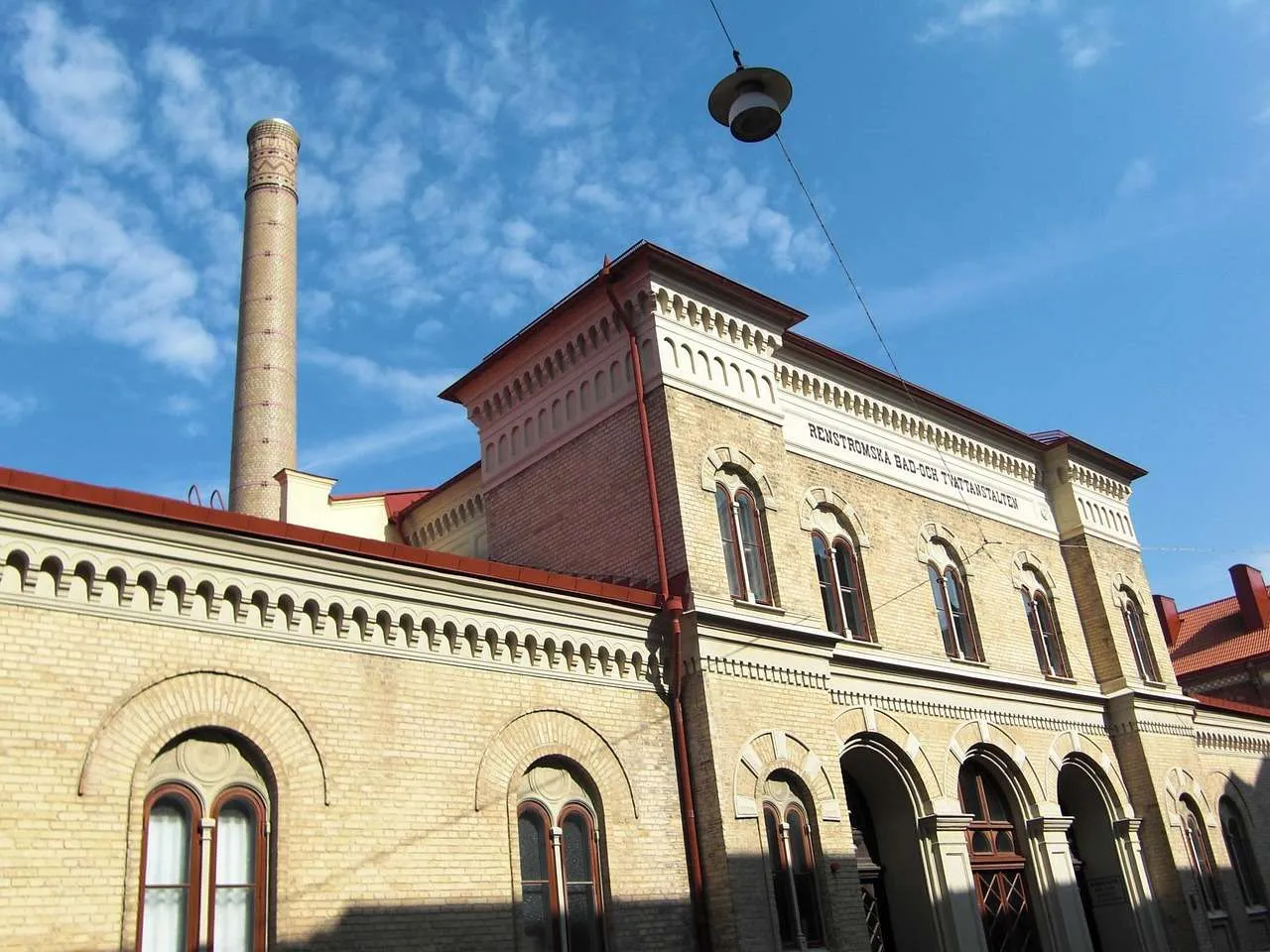
Tpo roofing has risen in popularity for flat and low-slope roofs due to its balance of cost, performance, and ease of installation. This guide explains what tpo roofing is, why it matters for energy efficiency, how it is installed, and how it stacks up against other single-ply options. Written from an experienced perspective, the content emphasizes practical steps, common questions, and considerations that help homeowners and facility managers make informed decisions.
What is TPO Roofing?
Thermoplastic olefin, or tpo roofing, is a single-ply membrane made from a blend of polypropylene and ethylene propylene rubber. It is commonly produced in 40 or 60 mil thicknesses and is designed to be heat-welded at seams, creating a watertight seal. Tpo membranes are typically white or light-colored to reflect sunlight, with darker options available. This combination makes tpo roofing a versatile choice for commercial and some residential applications on flat and low-slope roofs.
Key advantages include lightweight installation, relatively fast installation times, and compatibility with various substrates. Because tpo is a thermoplastic material, seams can be heat-welded, allowing strong, continuous joints when installed by skilled contractors. With the right system and warranty, tpo roofs can deliver long service lives in many climates.
Benefits of TPO Roofing
Choosing tpo roofing often hinges on its performance in three broad areas: energy efficiency, cost effectiveness, and maintenance practicality. Its reflective surface lowers cooling loads in hot climates, while its adhesive or mechanical attachment options provide installation flexibility. For property owners, tpo also represents a favorable balance between upfront cost and long-term reliability.
Energy Efficiency and Environmental Impact
One of the strongest selling points of tpo roofing is its high reflectivity, especially for white membranes. Lower roof heat gain translates into reduced air conditioning demand and operating costs. Many manufacturers offer tpo products with reinforced scrims and UV stabilizers to extend lifespans. At end of life, some systems are recyclable, contributing to reduced environmental impact when properly disposed of or repurposed.
Durability, Warranties, and Maintenance
Durability depends on membrane quality, installation method, climate exposure, and maintenance. Typical warranties range from 10 to 20 years, with longer options available through certain manufacturers. Regular inspections of seams, flashings, edges, and penetrations help prevent leaks. Punctures from foot traffic or equipment should be addressed promptly with patches or replacement of small sections to preserve system integrity.
Installation Considerations
Proper substrate preparation is essential for a reliable tpo roof. The roof deck should be dry, clean, and compatible with the chosen membrane. Contractors may attach tpo membranes mechanically, with adhesives, or a combination of both, depending on deck type and climate. Heat welding of seams is critical for watertight performance, so a skilled installer with the right equipment is essential. Local codes, wind uplift requirements, and warranty terms should guide the installation plan.
Climate and roof conditions influence material choices. In hot, sunny regions, reflective white membranes deliver stronger energy benefits but can be more susceptible to staining or dirt accumulation, which may slightly affect reflectivity over time. In cooler climates, some customers opt for light gray or other colors to balance reflectivity with heat absorption.
Maintenance, Repairs, and Longevity
Maintenance for tpo roofs is generally straightforward but requires diligence. Schedule periodic inspections to inspect flashing details, penetrations, edge details, and any identified damage. Clean debris from the surface and ensure drainage systems remain free of obstructions. If you notice seam separation, patching or seam sealing should be performed by qualified technicians to prevent leaks. The lifespan of a properly installed tpo roof often reaches 15 to 20 years or longer with good maintenance, variable by climate and exposure.
Comparison with Other Roof Types
Understanding how tpo compares with alternative single-ply systems helps in the decision-making process. The table below outlines typical strengths and trade-offs, though exact performance varies by product line and installation quality.
| Roof Type | Durability | Cost | Energy Efficiency | Best Use |
|---|---|---|---|---|
| TPO | 15-20 years | Moderate | High | Flat/low-slope commercial |
| EPDM | 20-30 years | Low | Moderate | Flat/low-slope with broad climate tolerance |
| PVC | 20-25 years | Higher | Very high | Food service, chemical exposure zones |
| Asphalt Shingles | 15-30 years | Low to moderate | Low to moderate | Residential steep-slope roofs |
Choosing a TPO System
Choosing a tpo system involves evaluating warranty terms, membrane thickness (commonly 40 or 60 mil), reinforcement options, and the installation method. Consider both product warranties and contractor guarantees. Verify that the contractor uses heat welding for seams and has a track record with local climate conditions. Assess maintenance plans,Recommended inspection intervals, and potential material recalls or updates from manufacturers. Finally, ensure the system aligns with long-term goals, such as energy efficiency targets or sustainability certifications.
Conclusion
Conclusion, tpo roofing offers energy efficiency, cost-effectiveness, and durability when installed by qualified professionals and maintained regularly.
Related Articles

Repair of Roofing: Expert Guide
Read More >
Roofing and Roof Repairs: Expert Guide
Read More >