Bathroom Decor: Elevate Your Space
By
Olivia
Date
January 20, 2026
Read Time
3 min read
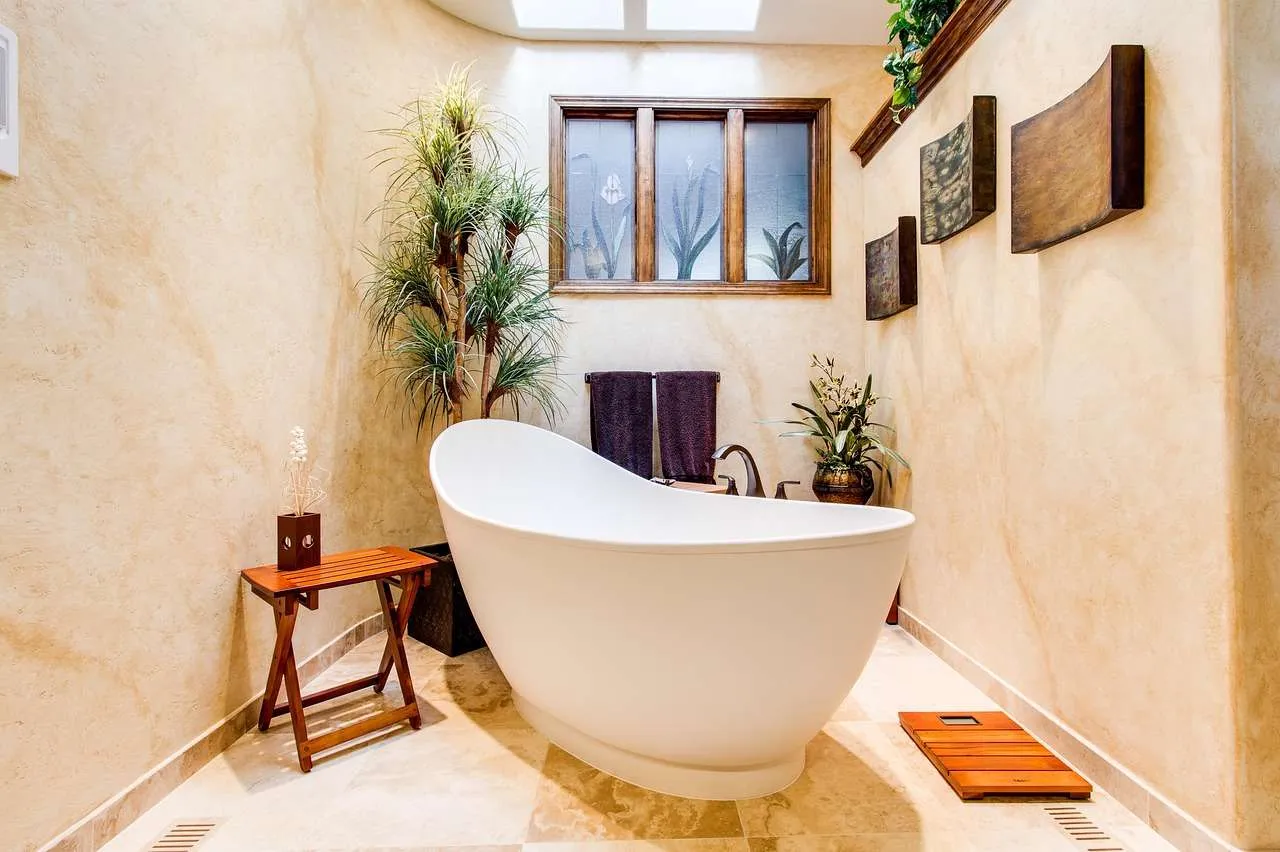
Choosing bathroom decor is an expression of personal style that also serves practical needs. The best ideas combine aesthetics with durability, ventilation, and easy maintenance. This article follows EEAT principles by presenting expert guidance on color theory, materials, lighting, and space planning, backed by real-world considerations for different bathroom sizes and budgets.
Understanding Bathroom Decor: Space, Mood, and Material
To create a cohesive look, start with three questions: What mood do you want to evoke? What is the scale of the room? What is your maintenance tolerance? For most homes, starting with a neutral base and layering color, texture, and fixtures yields flexibility over time.
Know Your Space
Measure ceiling height, window orientation, and plumbing layout. In small bathrooms, wall-mounted vanities and glass enclosures visually expand the space; in larger rooms, you can anchor with a statement vanity or a bold tile pattern.
Color and Lighting Principles
Choose a color palette with 60-30-10 or 60-30-20 rules (dominant, secondary, accent). Natural light is ideal, but layered lighting (ambient, task, and accent) creates depth and function.
Popular Bathroom Decor Styles
Modern Minimalist
Clean lines, flat-panel cabinetry, and restrained color palettes. Materials such as quartz, porcelain tile, and satin chrome hardware emphasize simplicity and practicality. This style suits high-traffic homes and modern layouts.
Classic and Timeless
Timber vanities, subway tiles, and polished brass or nickel fixtures project timeless warmth. Balanced proportions and quiet contrast deliver longevity in design that ages gracefully.
Spa-Inspired Retreat
Calming textures, warm woods, and neutral stones craft a sanctuary. Features like rainfall showerheads, large-format stone tiles, and soft lighting foster relaxation and wellness.
Coastal and Vintage Twists
Sea tones, light-washed woods, and gingham textiles evoke a breezy, nostalgic feeling. Decorative accents should be deliberate to avoid clutter and preserve a cohesive vibe.
Materials, Finishes, and Fixtures
Durability and hygiene matter in bathrooms. Choose moisture-resistant materials (porcelain, ceramic, quartz, glass). Faucet finishes (nickel, brass, chrome) coordinate with hardware. Consider maintenance load when selecting darker vs. lighter tones.
Lighting, Mirrors, and Accessories
A well-lit bathroom uses layered lighting: ceiling ambient, vanity task lighting, and decorative accents. Large mirrors bounce light; frameless or slim-framed mirrors feel airy. Accessories should echo the metal finish for a cohesive look.
Practical Tips and Budgeting
Set a realistic budget with a 20-30% contingency for installation and plumbing. Prioritize durable basics (vanity, tiles, shower enclosure) and treat accent pieces (towels, art) as upgrade options. When remodeling, consider resale value and accessibility features for longevity.
Design Style Comparison
| Design Style | Aesthetics | Maintenance | Estimated Cost |
|---|---|---|---|
| Modern Minimalist | Clean lines, monochrome or restrained palettes | Low upkeep; hidden hardware | Medium |
| Classic Timeless | Warm woods, subway tile, mixed metals | Moderate | Medium-High |
| Spa-Inspired | Neutral tones, natural textures | Moderate; natural materials require care | High |
| Coastal/Vintage | Soft blues, light woods, airy feel | Moderate | Medium |
When selecting a style, consider the long-term value: timeless elements, quality fixtures, and easy-to-clean surfaces add durability and satisfaction.
Summary: Implementing bathroom decor that endures requires a plan that blends color, lighting, and materials with personal taste. By prioritizing quality basics, layering texture, and choosing a cohesive finishing palette, you create a space that feels both luxurious and livable while remaining practical for daily use.